Think of each ride as a small sequence of decisions: where to look next, how much space to leave, and when to simplify a turn. The goal is not to memorize every scenario—it is to build habits that stay available when you are tired or distracted. Start with dry pavement and low traffic, then layer complexity when those habits feel automatic.
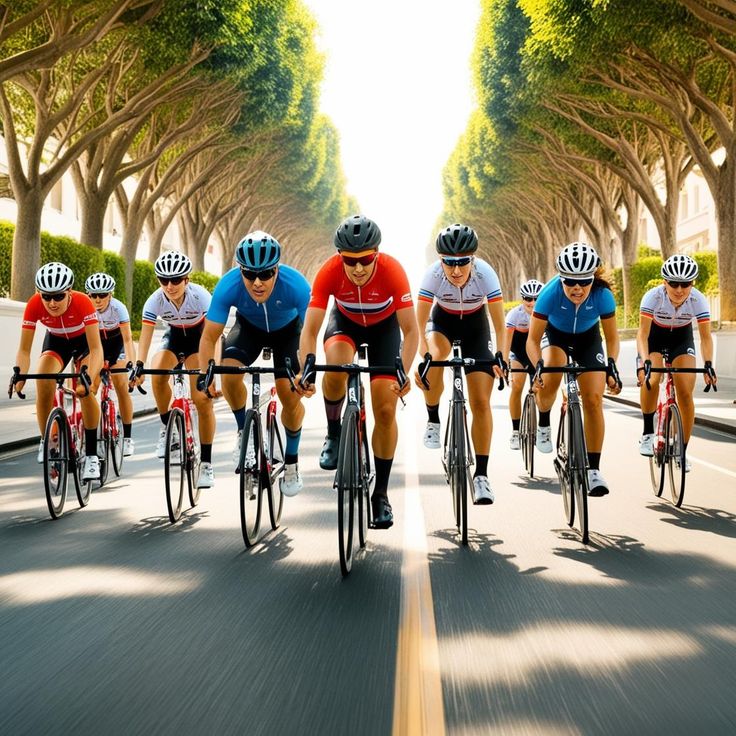
Visibility without drama
Bright clothing and steady lights help others notice you sooner, especially at dusk when depth perception weakens. Pair colour with predictable motion: avoid sudden lateral moves when a driver may already be turning across your path. If you ride beside parked cars, leave enough space that an opening door does not reach your handlebar—sometimes that means riding farther from the curb than a new rider expects, which is acceptable when the lane is narrow.
Shoulder checks are not only for turns; they also tell you whether a faster rider is approaching from behind before you move to avoid a pothole. A quick glance beats a long stare—keep eyes forward most of the time so you do not drift toward what you are looking at.
Line choice on shared roads
Position yourself where your next move is obvious. In a narrow lane, riding slightly farther from the curb can discourage unsafe passing and give you room to ride around surface debris. When you need to turn left, plan the merge early: shoulder check, signal, move when a gap exists, and avoid crossing multiple lanes at the last moment.
On streets with door zones and bike lanes, scan for paint quality and parked vehicles. Wet metal covers and painted lines can be slick; reduce lean angle on corners when surfaces look questionable.
Signals people can read
Hand signals work best when they are held long enough to be seen and repeated if traffic is noisy. Pair them with shoulder checks so you know what is beside you before you shift. If you are unsure whether someone saw you, ease off slightly and create space rather than assuming they will yield.
Verbal cues help in groups, but wind and traffic mask words—agree on simple calls before you roll out, and repeat at intersections where sight lines are short.
Intersections and turning stress
Intersections compress many decisions: signal timing, lane markings, pedestrians stepping out, and drivers looking at phones. Slowing a few kilometres per hour before the crosswalk often buys time to read the scene. When in doubt, stop behind the line, put a foot down, and wait for a clear sequence rather than threading a tight gap.
Right-turning vehicles deserve extra attention: ride visibly in the lane when appropriate, and avoid squeezing up the right side of a truck or bus where blind spots are large.
Transit corridors and tracks
Streetcar tracks can catch tires when crossed at shallow angles. Aim to cross perpendicular where possible, and reduce speed beforehand. Wet rails are especially slippery—straighten the bike briefly as you roll across. When buses pull in and out, anticipate sudden merges and give operators room; they are managing long vehicles in tight spaces.
Low light and weather
Front and rear lights are a baseline for dusk and rain. Wipe lenses clear of road spray so beams stay useful. On wet pavement, brake earlier than on dry days because stopping distances change with surface and tire condition. If visibility drops sharply, consider shortening the route or switching to a path with fewer conflict points.
Cold air can make fingers slower to operate shifters; practise small gear changes before you need them in traffic. Layer clothing so you can vent heat on climbs without stopping in unsafe spots.